

9 Interior Design Mistakes Making Your Room Feel Smaller
Every space holds untapped potential, waiting to be transformed into something extraordinary, yet common interior design mistakes that make a room look smaller often stand in the way.
Yet many homeowners unknowingly sabotage their rooms’ natural spaciousness through well-intentioned design choices that actually work against them.
The difference between a cramped, uncomfortable space and an airy, inviting sanctuary often lies in understanding these subtle but powerful design principles. Creating the illusion of space isn’t about knocking down walls or embarking on costly renovations. Instead, it’s about making thoughtful decisions that allow your room to breathe and flow naturally. When you understand what makes a space feel confined, you can reverse these effects and unlock your room’s true potential. Let’s explore the ten most common mistakes that steal precious visual space from your rooms, along with elegant solutions that will help your home feel more open, bright, and beautifully balanced.
Mistake 1: Overwhelming Your Space with Oversized Furniture
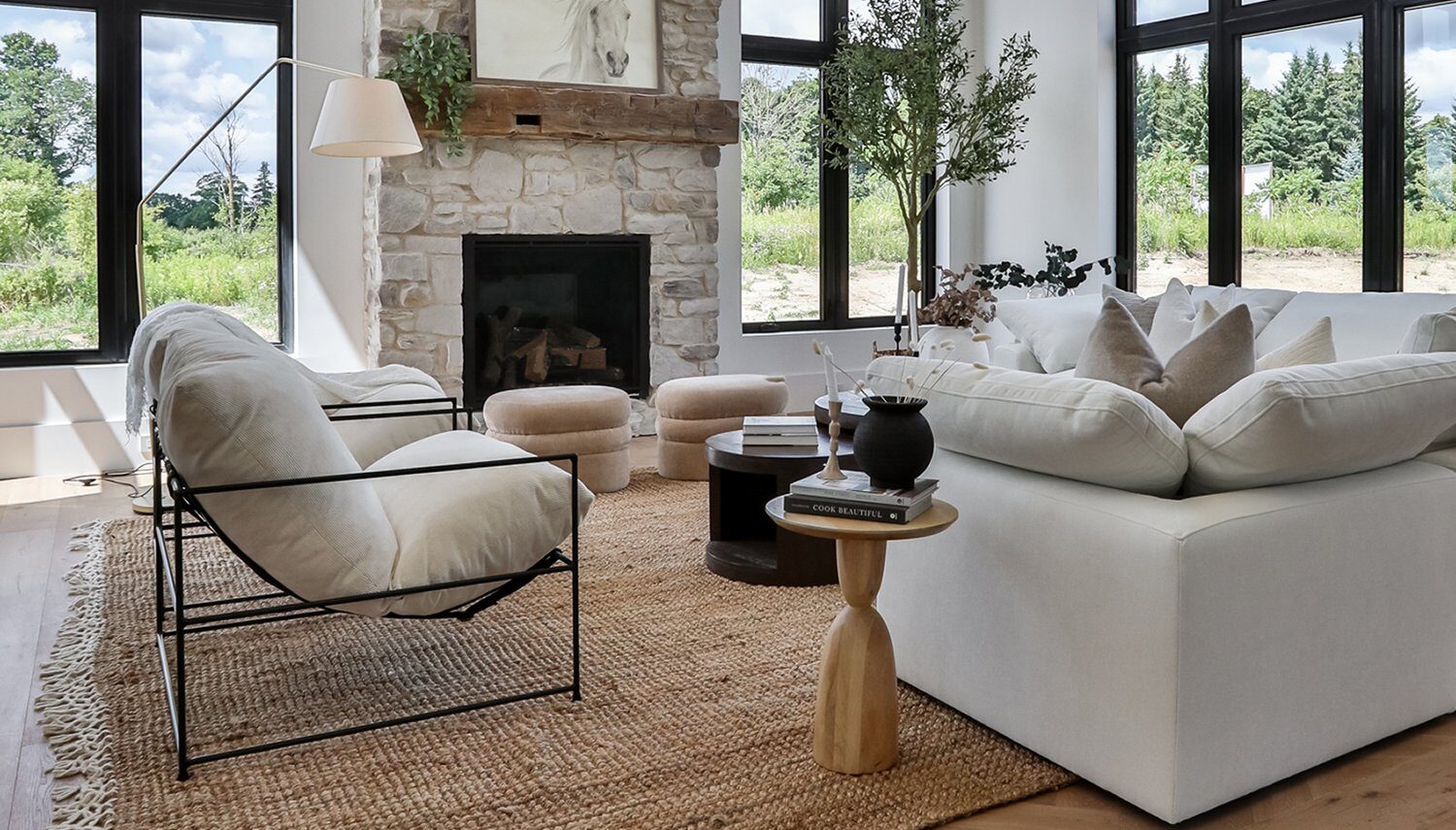
Nothing devours visual space quite like furniture that’s disproportionate to your room’s dimensions. That luxurious sectional sofa might look divine in the showroom, but when it dominates your living room, leaving mere inches for circulation, it transforms your space into an obstacle course rather than a welcoming gathering place. The key lies in achieving harmony between your furniture’s scale and your room’s proportions. Choose pieces that leave breathing room around their perimeters, allowing the eye to travel freely throughout the space. Consider furniture with raised legs that reveal floor space beneath, creating a sense of lightness and flow. Multi-functional pieces work beautifully here, such as an ottoman that provides storage while serving as extra seating, or a sleek console table that doesn’t overwhelm your entryway while still offering practical surface space.
Mistake 2: Allowing Clutter to Steal Your Serenity
Clutter acts like visual noise, fragmenting your space into countless small, disconnected areas that prevent the eye from appreciating the room’s true dimensions. Every surface covered with items contributes to a sense of encroachment that makes walls feel closer than they actually are. The art of curated styling means selecting a few meaningful pieces rather than filling every available surface. Embrace negative space as a design element in itself. Create designated homes for everyday items, and resist the temptation to display everything at once. A few carefully chosen objects arranged with intention will have far more impact than a collection that overwhelms. The magic happens when surfaces can breathe, when your eye can travel uninterrupted across clean lines and uncluttered expanses.
Mistake 3: Using Dark Tones Without Visual Relief
Dark and moody color palettes can evoke a sense of sophistication, warmth, and intimacy. Deep tones like navy, burgundy, charcoal, and espresso wrap a space in coziness and depth, making it feel grounded and refined. However, for these palettes to truly shine, they need to be thoughtfully balanced with light. Without contrast, dark interiors can quickly become flat or overly heavy.
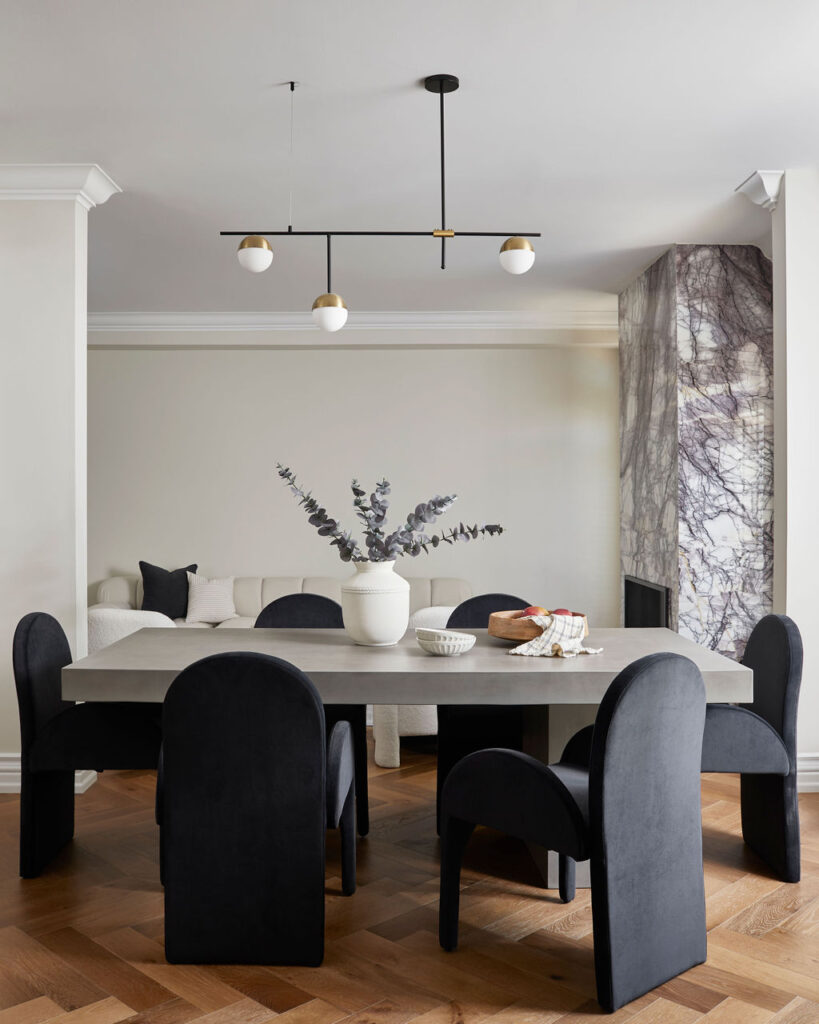
In a space like a powder room, where bold design choices often shine, a moody backdrop can be elevated beautifully by introducing lighter materials. A vanity topped with light marble or stone, for example, not only adds contrast but also introduces a natural, luminous texture that plays beautifully against darker walls. These kinds of pairings prevent the space from feeling too enclosed and create a more dynamic, high-end look. Successful dark designs often include elements that bring visual relief and depth. This could be in the form of soft lighting, warm metallics, or pale-toned fixtures. The goal is to create a layered space that feels rich and dramatic, yet still balanced and inviting.
Mistake 4: Blocking Your Windows and Natural Light Sources
Natural light is your most powerful ally in creating the illusion of space. Windows that are obscured, partially blocked, or treated with heavy coverings prevent this precious resource from flooding your rooms with the brightness that makes spaces feel open and expansive. Furniture placement that blocks window sight lines, heavy window treatments, or neglected, dirty windows all contribute to reducing the natural light that could be transforming your space. Position furniture to frame rather than obstruct views. Keep window treatments as minimal as possible whilst maintaining privacy, and ensure windows are kept sparkling clean to maximise light transmission
Mistake 5: Selecting Incorrectly Sized Area Rugs
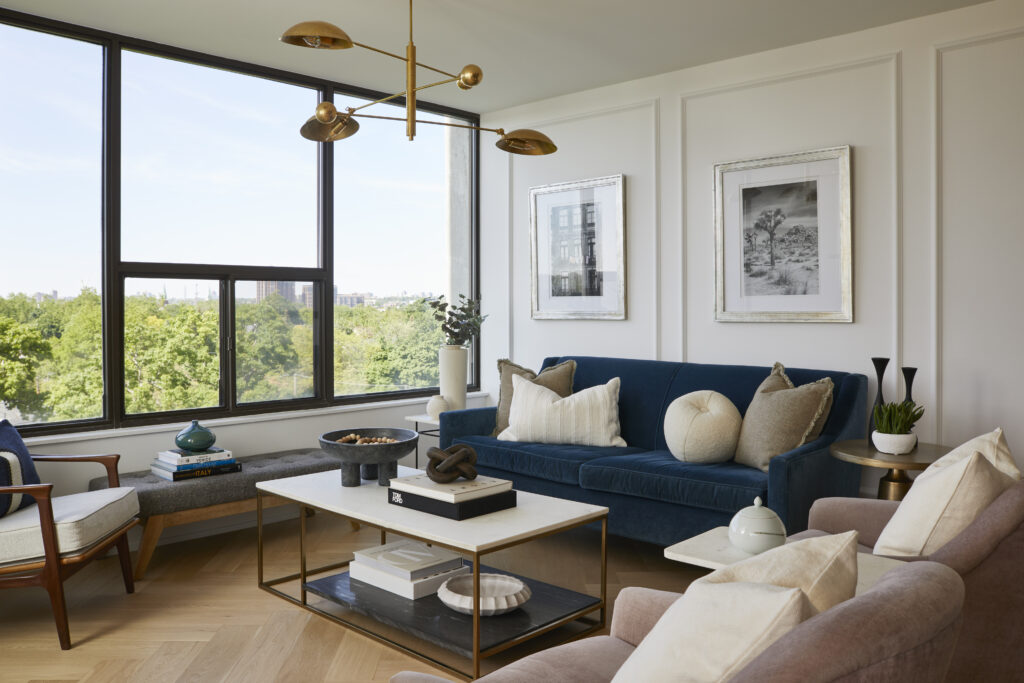
A rug that’s too small for your space creates the visual equivalent of wearing ill-fitting clothes. Everything looks disconnected and disproportionate. Small rugs floating in the centre of rooms make furniture appear to drift aimlessly, fragmenting the space rather than unifying it. The ideal rug should anchor your seating arrangement, with front furniture legs resting on the rug’s surface. In dining rooms, ensure your rug extends well beyond the table and chairs, allowing chairs to remain on the rug even when pulled out. This creates cohesion and makes rooms feel more expansive and intentionally designed.
Mistake 6: Relying on Single Light Sources
Overhead lighting alone creates harsh shadows and leaves corners in darkness, making rooms feel smaller and less inviting. Single-source lighting fails to create the layered illumination that makes spaces feel warm, welcoming, and expansive. Create a lighting scheme that includes ambient, task, and accent lighting. Table lamps, floor lamps, wall sconces, and even candles work together to eliminate dark corners and create a sense of depth. Multiple light sources at varying heights add visual interest and make rooms feel larger by ensuring every corner is gently illuminated.
Mistake 7: Ignoring Your Room’s Vertical Potential
Many homeowners focus exclusively on floor space while overlooking the dramatic impact of vertical design elements. Low furniture, horizontal emphasis, and unused wall space above eye level all contribute to rooms that feel earthbound and compressed. Draw the eye upward through tall bookcases, vertical artwork arrangements, or dramatic floor-to-ceiling curtains that emphasize your room’s full height. Wall-mounted storage and floating shelves provide practical solutions while preserving precious floor space. Plants with upward growth patterns, tall vases, or sculptural elements that reach toward the ceiling all contribute to vertical emphasis that makes your room feel more expansive and dynamic.
Mistake 8: Mixing Too Many Furniture Styles
Whilst eclectic design can be absolutely stunning, mixing too many different furniture styles without a unifying element creates visual chaos that makes spaces feel cluttered. When your eye can’t find a cohesive thread, rooms feel busy and smaller than they actually are. This doesn’t mean everything must match perfectly, but there should be common elements. Perhaps a consistent colour palette, similar wood tones, or a unifying design era that create harmony. Curate your furniture selections with the same care you’d use when creating a gallery wall, ensuring each piece contributes to the overall story you’re telling.
Mistake 9:
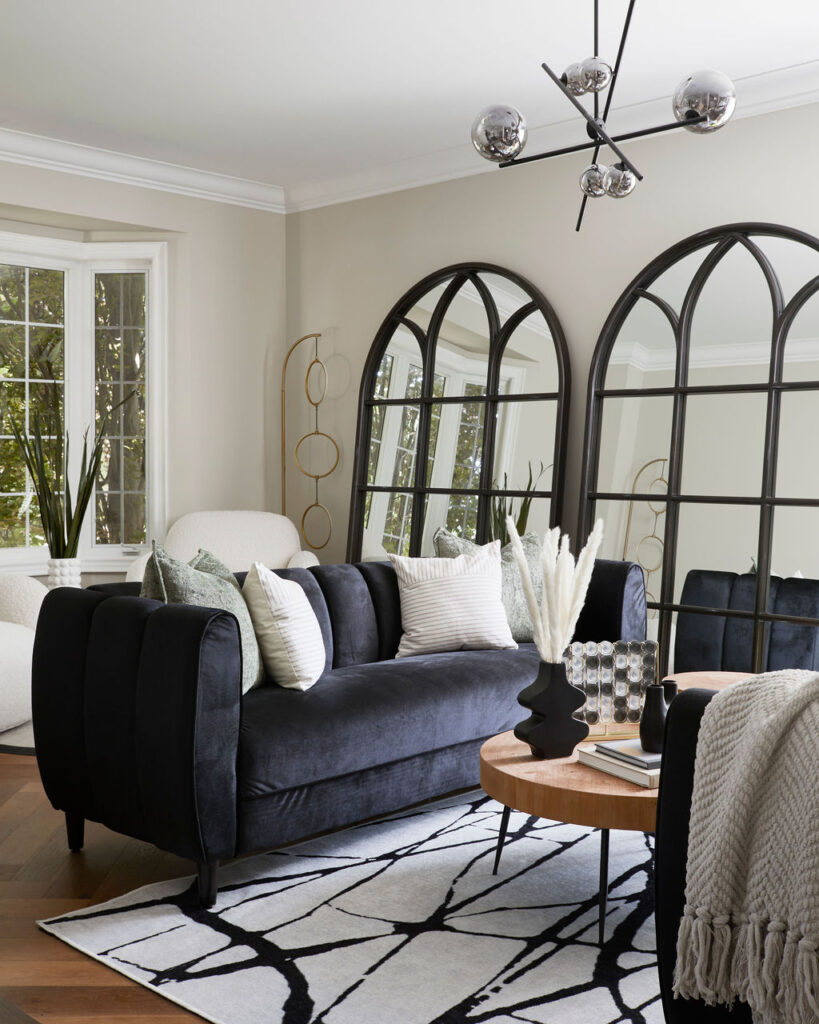
Underestimating the Power of Mirrors Mirrors are perhaps the most underutilised tool for creating the illusion of space. They reflect light, create depth, and can make rooms feel dramatically larger when positioned thoughtfully. Forgetting to incorporate mirrors means missing an opportunity to double your visual space. Position mirrors to reflect your most attractive views, perhaps a beautiful window, an elegant light fixture, or carefully arranged furnishings. Large mirrors create the most dramatic impact, but even smaller mirrors grouped together can enhance spaciousness while adding artistic interest. Consider mirrored furniture pieces or reflective surfaces that contribute to your room’s overall sense of lightness and expansion without overwhelming your design scheme.
Transform Your Space Into Something Extraordinary Creating spacious, beautiful rooms isn’t about the square footage you have, but about maximizing the potential within your existing space through thoughtful, intentional design choices. Each of these common mistakes represents an opportunity to unlock your room’s hidden potential and create the airy, inviting sanctuary you’ve been dreaming of. Start with the changes that speak most strongly to your space’s specific challenges. Perhaps clearing clutter will provide the immediate transformation your room needs, or maybe replacing heavy curtains with lighter alternatives will flood your space with the natural light it’s been craving. Remember that great design is about creating harmony between all elements in your space. As you address these common mistakes, you’ll begin to see how each improvement supports and enhances the others, creating a cumulative effect that transforms your room into something truly extraordinary.
Need help designing a space that’s not just beautiful, but truly you?
Contact us