

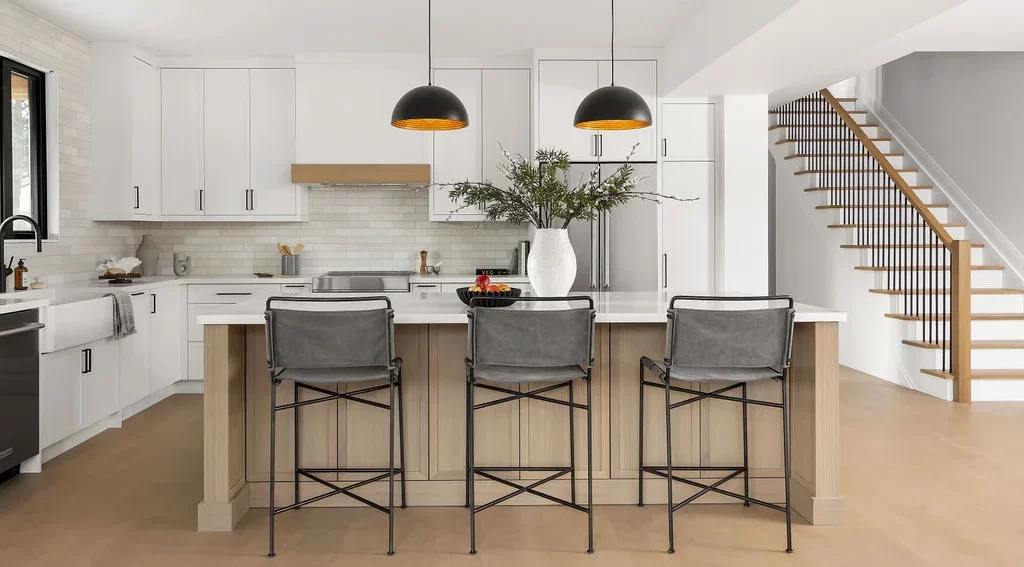
Top 10 Most Common Interior Design /Decorating Mistakes and How to Avoid Them
Even the most well-intentioned design plans can go sideways with a few missteps. From awkward furniture arrangements to lackluster lighting, the details that seem small can have the biggest impact. Whether you’re starting from scratch or updating a single room, avoiding these common interior design mistakes will help your home feel more polished, cohesive, and comfortable.
Here are the top 10 interior design mistakes, and exactly how to avoid them.
1. Not Starting with a Plan
Jumping into a redesign without a clear plan is one of the most common interior design mistakes that can quickly lead to mismatched pieces, unnecessary spending, and a space that never quite feels finished. Without a defined direction, it’s easy to make impulse purchases that don’t work together or suit the way you actually live. Starting with a holistic vision is essential. Consider the overall layout, how the space needs to function, and the atmosphere you want to create, not just how it should look, but how it should feel day to day.
Think about how you use the space, what isn’t working, and what’s currently missing. From there, create a thoughtful design plan that includes accurate measurements, a cohesive colour palette, and a clear list of priority purchases. Having this framework in place helps guide decisions, keeps the design cohesive, and ensures your time and budget are invested in pieces that truly support the space.
2. Ignoring Scale and Proportion
A room can feel off without anyone knowing exactly why, and scale is often the culprit. Oversized furniture can overwhelm a small space, making it feel cramped, while furniture, rugs, or artwork that are too small can leave larger rooms feeling empty or unfinished. When pieces aren’t properly scaled, even well-chosen items can feel out of place.
Proportion matters just as much as placement. Furniture, lighting, and accessories should relate thoughtfully to one another and to the size of the room. Before purchasing large pieces, always measure carefully and consider circulation paths, ceiling height, and how the space will be used day to day. Mapping out your furniture arrangement with painter’s tape is a simple but effective way to visualise scale and ensure the room feels balanced, comfortable, and appropriately sized.
3. Bad Lighting Choices
Lighting is more than just practical, it plays a major role in shaping the atmosphere of a space. Relying solely on overhead lighting can flatten a room, exaggerate shadows, and make even a well-designed space feel cold or uninviting. The most comfortable and visually interesting interiors rely on layered lighting that supports both function and mood.
Aim to incorporate a mix of ambient lighting (such as ceiling fixtures), task lighting (like reading lamps or under-cabinet lights), and accent lighting (including sconces, candles, or art lights). This combination creates depth and flexibility, allowing the space to adapt throughout the day. Dimmer switches are a simple but highly effective upgrade, giving you control over brightness and ambience and helping the room feel warm, balanced, and thoughtfully designed.
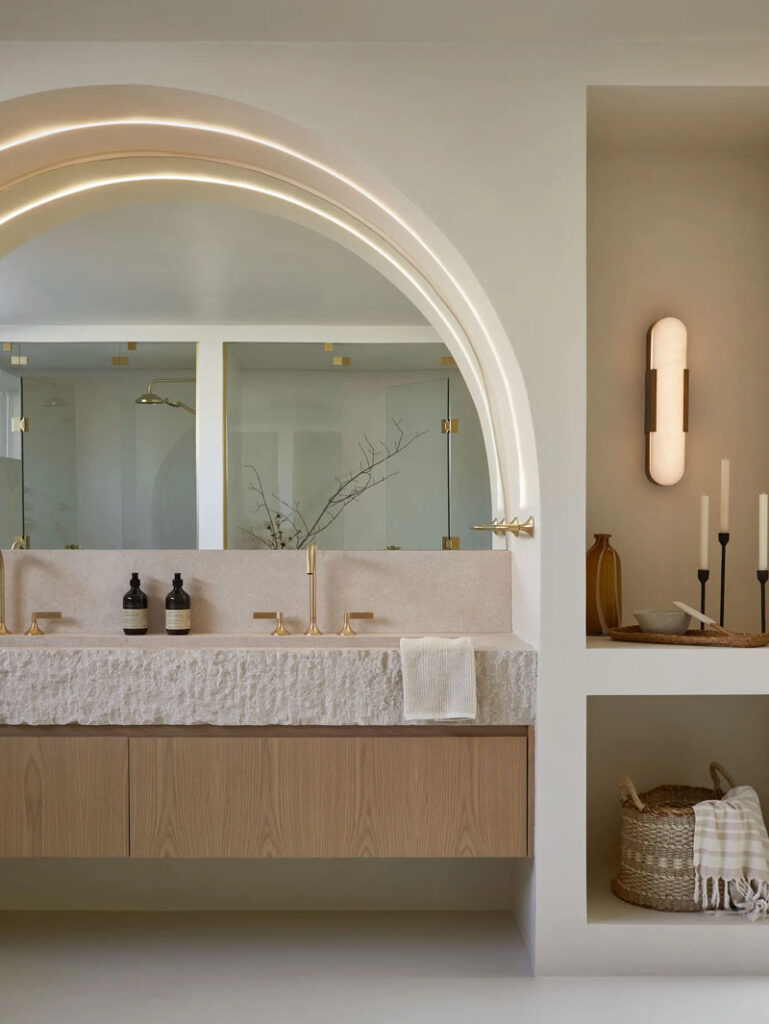
4. Placing All Furniture Against the Walls
It’s a common instinct, especially in smaller rooms, to push all furniture against the walls, but this approach can actually make a space feel disconnected and sparse. When everything is perimeter-based, the centre of the room is often left undefined, which can disrupt flow and make the layout feel less intentional.
Floating furniture, even just a few inches away from the wall, helps define functional areas and creates a more balanced, curated look. Use rugs to anchor seating arrangements and group furniture in a way that encourages conversation and movement. This is especially effective in open-concept layouts, where thoughtful furniture placement can establish clear visual zones and make the space feel cohesive and well considered.
5. Overlooking Practical Needs
Design isn’t just about how something looks, it’s about how it functions in everyday life. It’s easy to get caught up in aesthetics and overlook how a space will actually be used. Before making design decisions, think honestly about your routines and habits. Do you need additional storage? A dedicated spot for keys, bags, or shoes? Materials that can handle pets or high traffic?
Your home should support your lifestyle, not work against it. Practical choices such as washable fabrics, durable finishes, soft-close drawers, or flexible seating solutions may not be the most visually obvious features, but they have the greatest impact on how comfortable and enjoyable a space feels over time. Thoughtful, functional details ensure your home looks good and works well long after the initial design is complete.
6. Over-Decorating or Under-Decorating
Finding the right balance is key when it comes to decorating. Over-accessorising can quickly lead to visual clutter, making a space feel busy and overwhelming, while under-decorating can leave a room feeling sparse, flat, or unfinished. The goal is to strike a thoughtful middle ground where each element feels intentional.
Focus on creating layers by mixing textures, materials, and finishes, and vary the heights of objects to add visual interest. Just as important, allow for negative space so the eye has moments to rest. While less can often be more, a space should still feel warm, personal, and lived-in, not bare or overly styled.
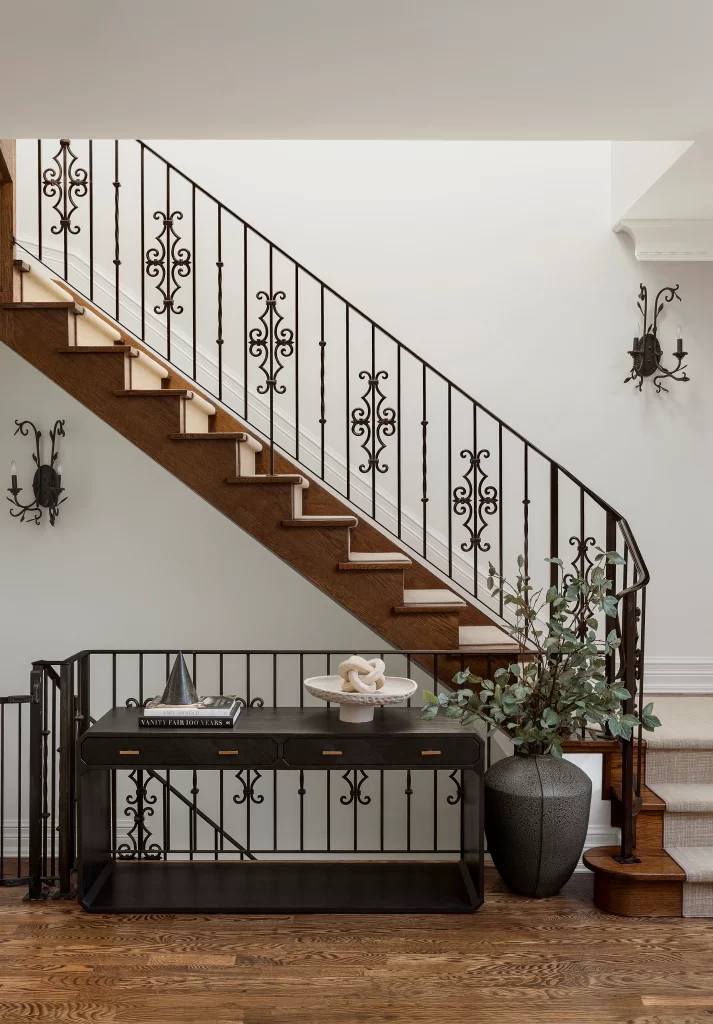
7. Hanging Curtains Incorrectly
One of the fastest ways to elevate a room is proper curtain placement. Curtains that are hung too low or too narrowly can make windows appear smaller and ceilings feel lower than they actually are, which throws off the overall proportions of the space.
Instead, install curtain rods at least 4–6 inches above the window frame, or even closer to the ceiling for a more dramatic effect, and extend the rods beyond the width of the window. This allows the curtains to frame the window rather than cover it, creating the illusion of greater height and width. It’s a simple adjustment that instantly makes a room feel more polished, balanced, and refined.
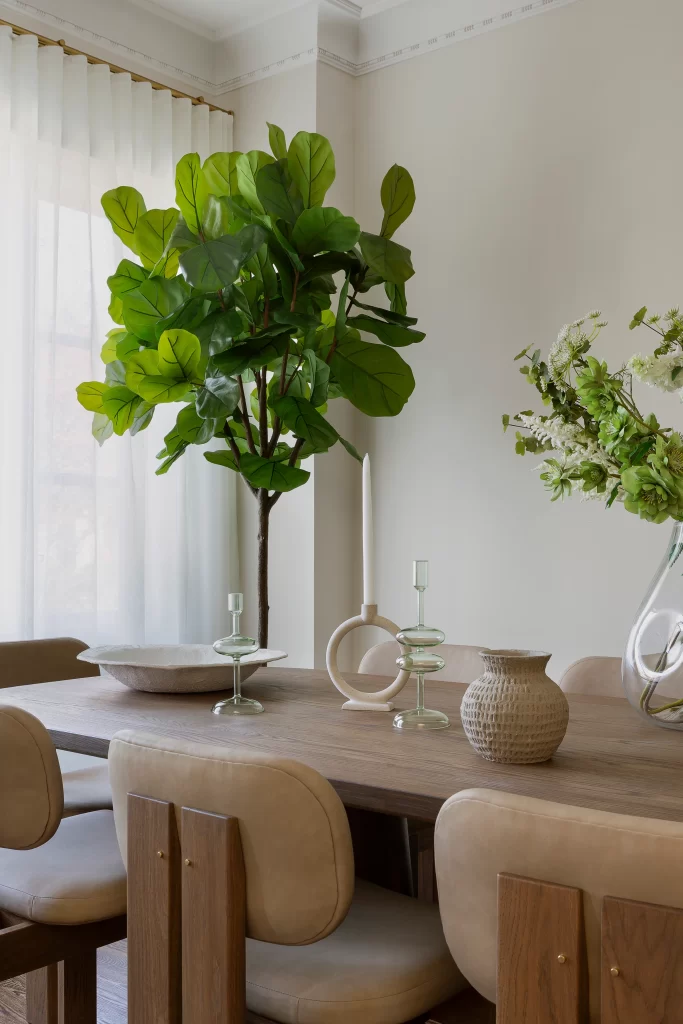
8. Designing Rooms in Isolation
Each room can express its own personality, but together they should contribute to a cohesive overall story. When spaces feel disconnected from one another, the home can lose its sense of harmony and continuity, even if each room is well designed on its own.
To create better flow, consider working with a consistent colour palette throughout the home and repeating key materials or finishes from space to space. This might be carried through flooring, hardware, lighting styles, or accent materials. These subtle connections help tie everything together, ensuring the home feels intentionally designed and thoughtfully connected rather than pieced together over time.
9. Skipping Texture
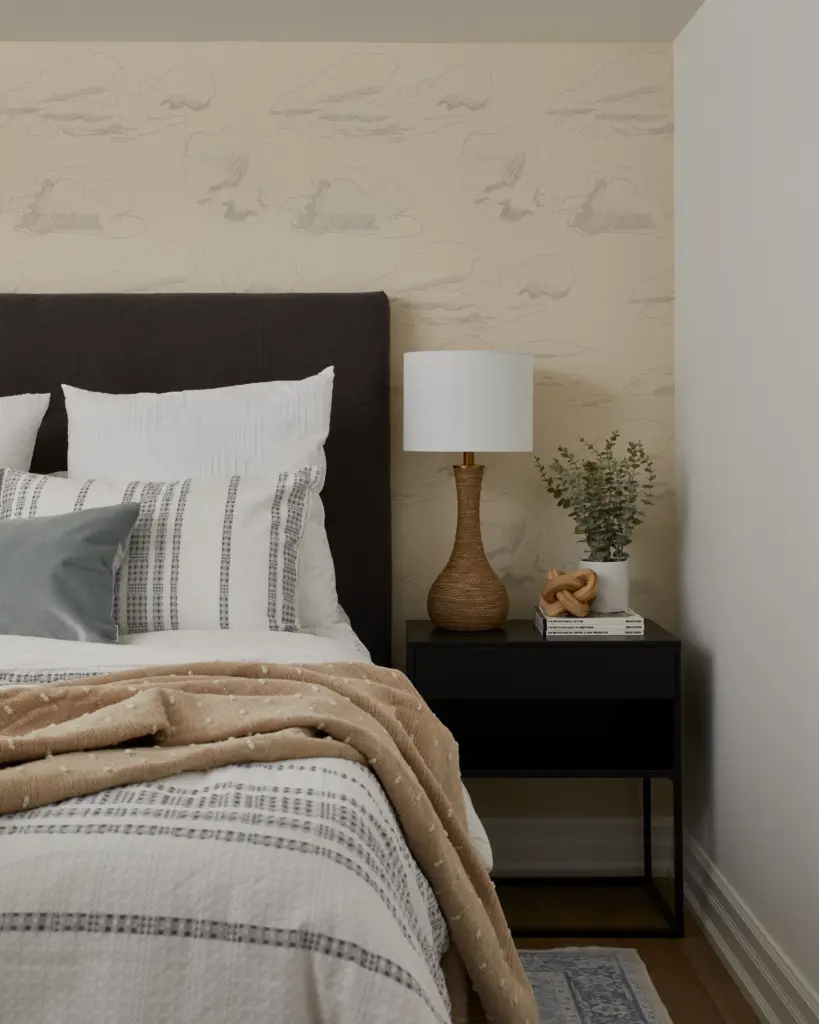
Colour and pattern are important, but texture is what truly brings a space to life. Without a mix of materials, even a well-designed room can feel flat or one-dimensional. Texture adds visual interest and warmth, creating a space that feels inviting rather than overly polished.
Think soft wool rugs, crisp linens, smooth marble, warm wood, woven baskets, and matte ceramics. Layering a variety of textures, both rough and refined, introduces depth and contrast, making your home feel dynamic, tactile, and thoughtfully composed
10. Following Trends Too Closely
There’s nothing wrong with taking inspiration from current trends, but designing an entire space around what’s popular right now can cause it to feel dated far sooner than expected. Trends evolve quickly, and committing to them on a large scale can make a space feel out of step before it’s had time to settle.
Instead, build your foundation around timeless elements. Start with classic silhouettes, neutral tones, and quality materials that will stand the test of time. From there, layer in trend-driven pieces that are easy to update, such as cushions, paint, artwork, or accessories. This approach allows your home to feel current and personal without sacrificing longevity or flexibility.
Final Thoughts
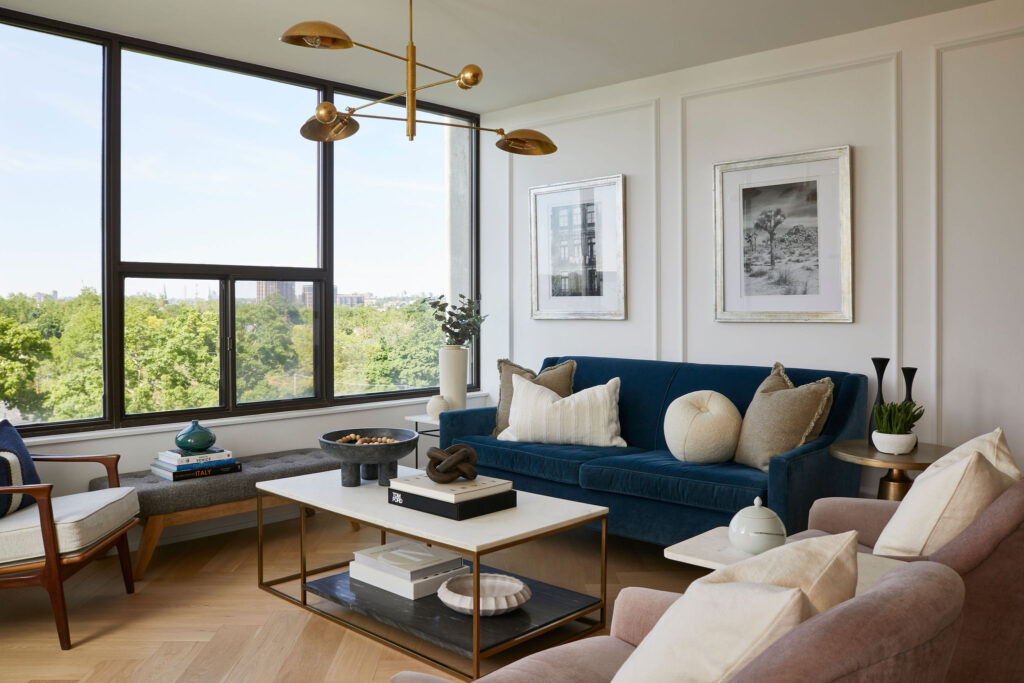
Great design is never just about what’s on the surface. It’s about how a space makes you feel and function every day. By avoiding these common mistakes, and designing with intention, you’ll create a home that doesn’t just look good in photos, but feels good in real life.
Need a hand bringing your vision to life? Working with a professional interior designer can help you sidestep costly mistakes and create a space that truly works for you.
Need help designing a space that’s not just beautiful, but truly you?
Contact us