

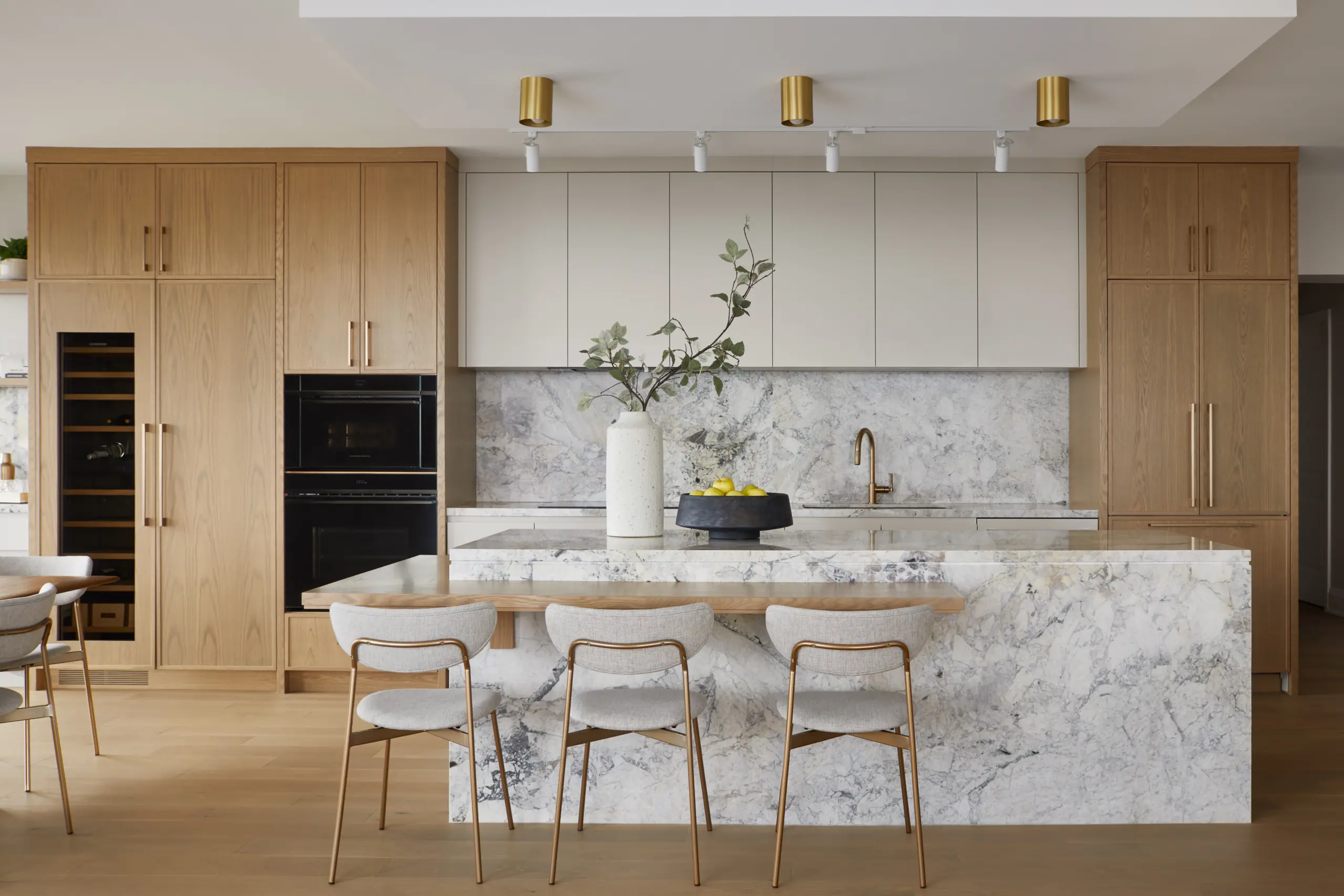
Colour Blocking in Kitchens: Where to Start
Colour blocking has long been a favourite technique in fashion and art, but it’s now gaining serious traction in the world of interior design, especially in kitchens. Bold, expressive, and endlessly customizable, colour blocking involves pairing two or more contrasting or complementary hues in distinct zones, creating high-impact visual interest.
If you’re drawn to this modern design statement but aren’t sure how to bring it into your own kitchen, then this guide will clearly break down step by step exactly where to begin.
Why Colour Blocking Works in Kitchens
Kitchens are no longer just utilitarian spaces, they’re design-driven, expressive, and often the most used room in the home. Colour blocking allows homeowners to play with contrast, personality, and visual flow without relying solely on accessories or décor. When done right, it can not only help define zones but also highlight architectural features, ultimately creating a kitchen that feels both fresh and functional.
Step 1: Define the Mood You Want to Create
Before choosing colours, consider the atmosphere you want to cultivate. Do you want your kitchen to feel calm and grounded? Vibrant and energetic? Sophisticated and moody?
- Serene, grounded look: Think tonal pairings like muted greens with greys or soft terracotta with warm neutrals.
- Lively, energetic space: Try bold contrasts like cobalt blue and sunflower yellow, or coral and teal.
- Dramatic, luxe feel: Deep navy, forest green, or burgundy paired with matte black or brass can create richness and depth.
Establishing this direction early will guide your choices and help maintain cohesion.
Step 2: Build a Balanced Colour Palette
Colour blocking doesn’t mean every surface is painted in a different hue. To avoid chaos, select two to three key colours and one or two supporting neutrals to tie it all together.
- Dominant colour (such as a soft neutral across cabinetry or walls)
- Secondary colour (used for contrast on an island or upper cabinets)
- Accent colour (hardware, light fixtures, or a bold backsplash)
This ensures a sense of harmony, even in the most playful palettes.
Step 3: Decide Where to Use Each Colour
Placement is everything in colour blocking. Instead of spreading colours evenly throughout the kitchen, consider assigning each colour to a specific element. For example:
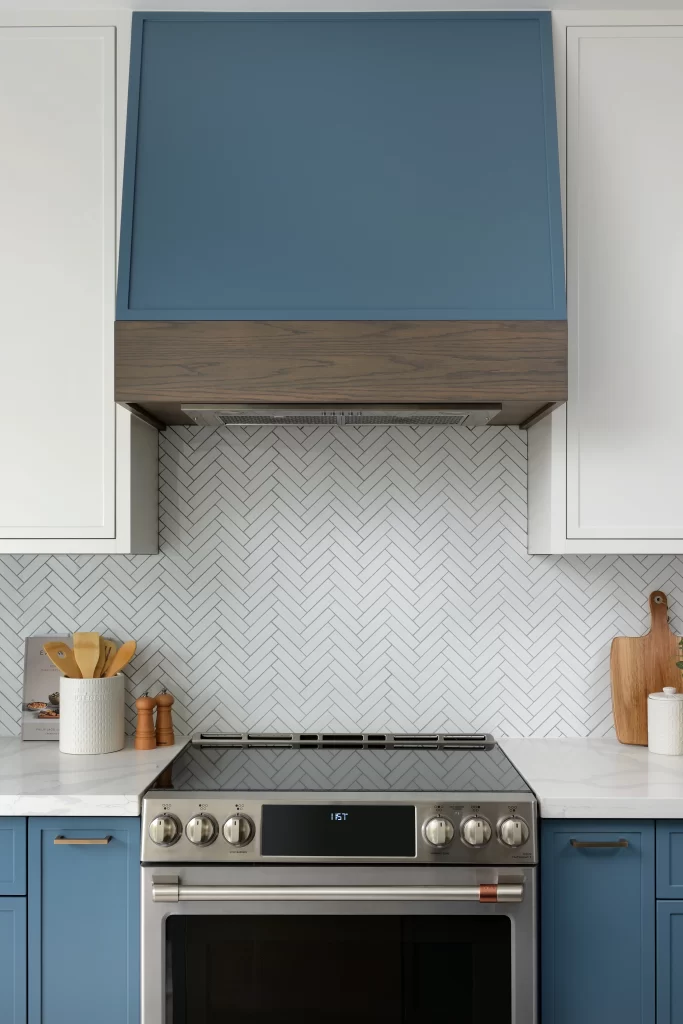
- Paint upper and lower cabinets in contrasting shades
- Use a different colour for the island to make it a feature
- Pair a vibrant wall colour with more subdued cabinetry
- Introduce colour through your backsplash or open shelving backs
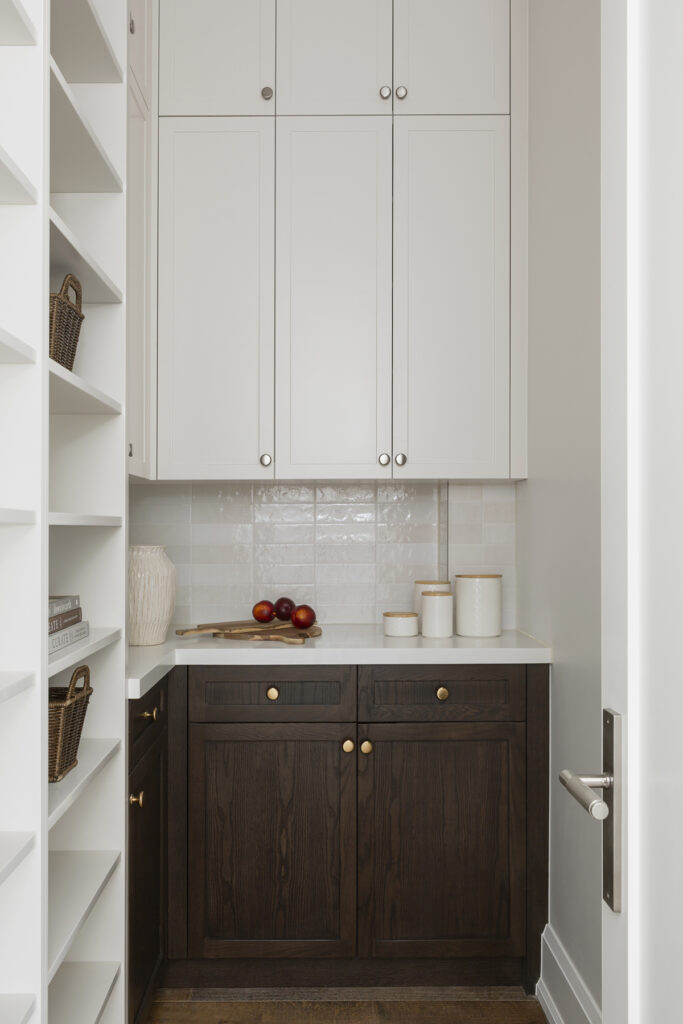
- Colour-block your pantry or built-in storage for a subtle twist
This zoning approach creates structure and allows the eye to travel naturally around the space.
Step 4: Mix Materials, Not Just Paint
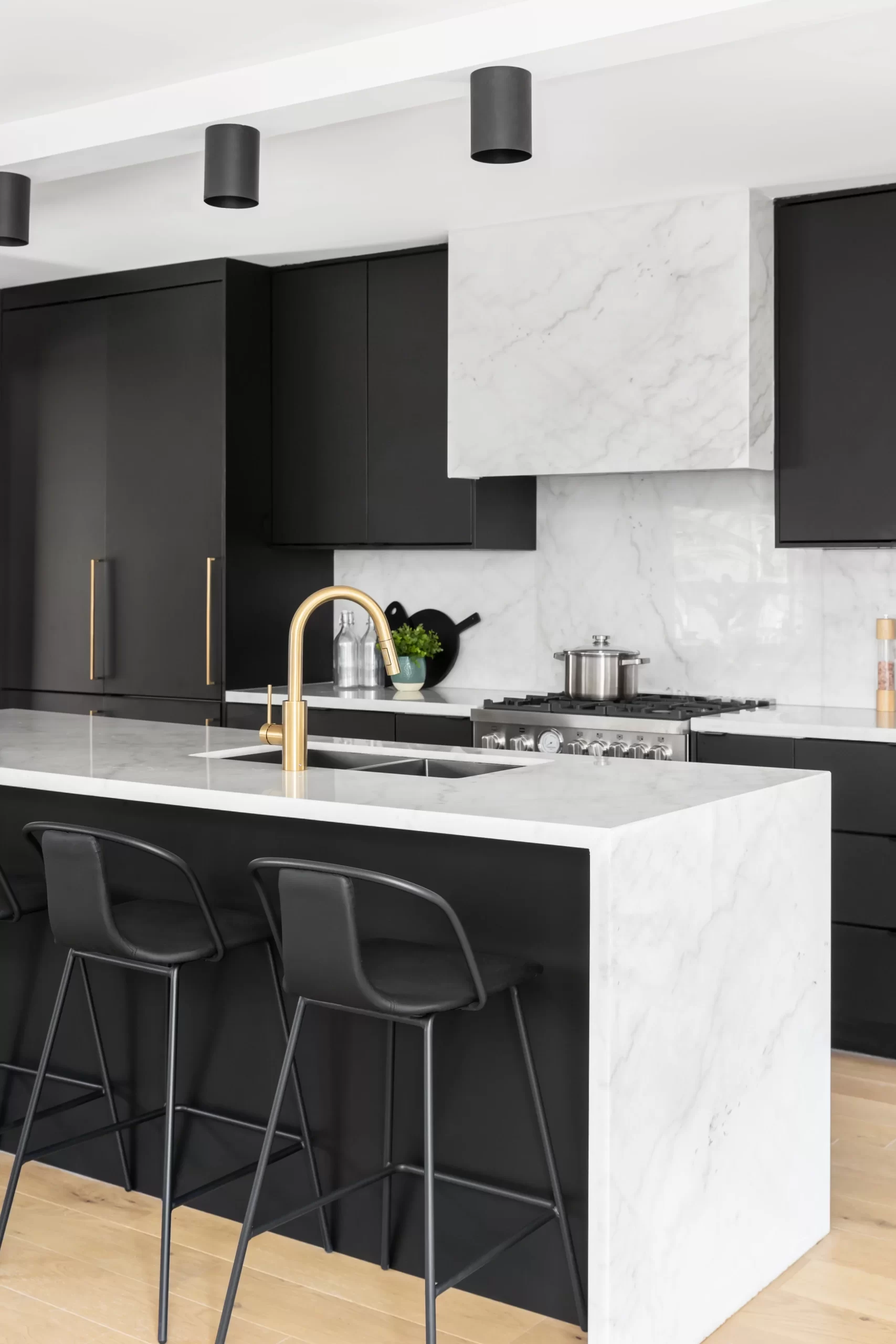
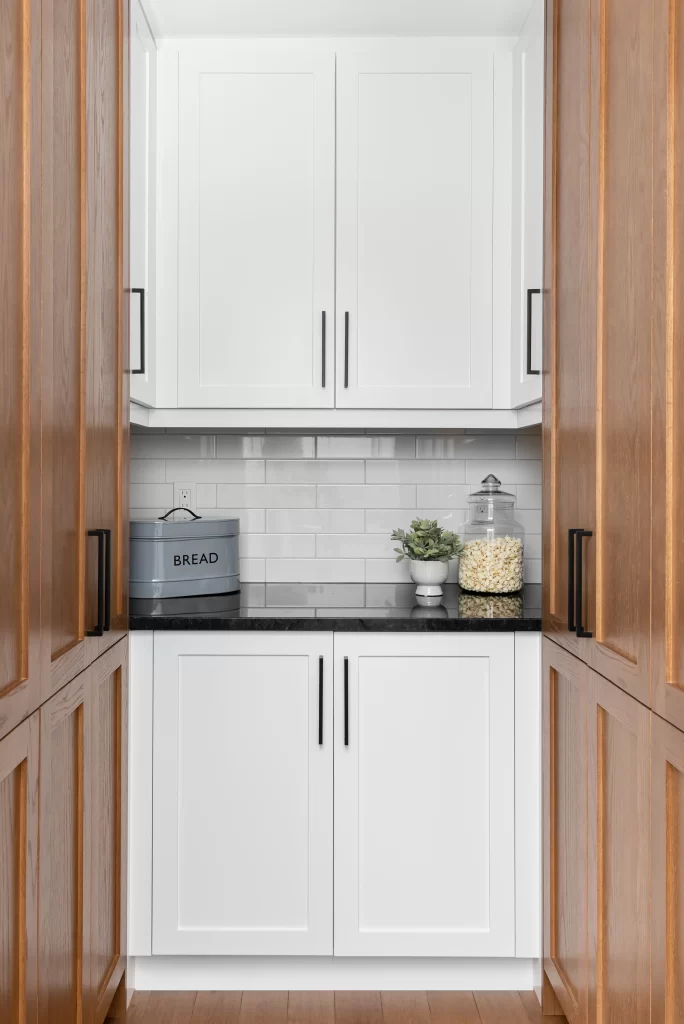
While paint is the most obvious route, don’t forget that colour can come from materials too. Think stained woods, coloured laminates, tile, or even metal finishes.
Pair a painted cabinet with a natural wood island, or contrast glossy ceramic tile with a matte plaster wall. These material shifts add layers of interest and can elevate the overall design, making it feel less trendy and more timeless.
Step 5: Consider the Details
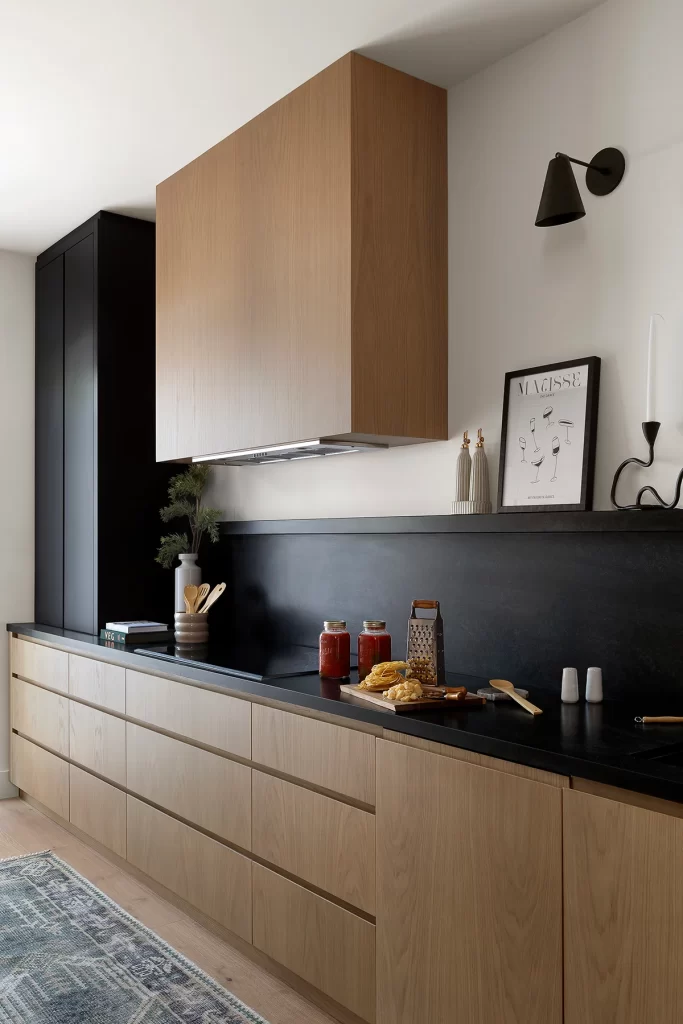
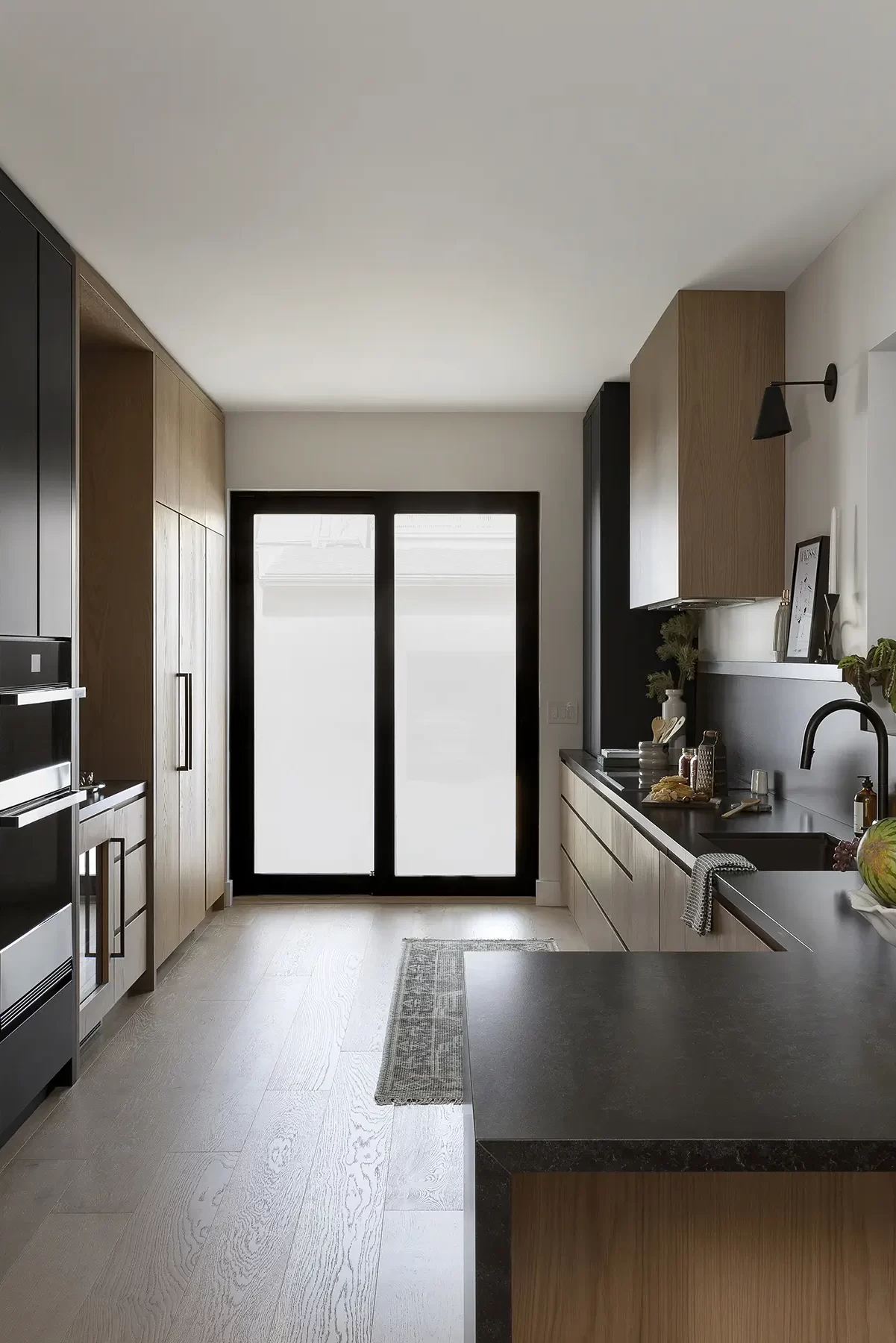
Small details can make or break a colour-blocked kitchen. Hardware, lighting, and even appliances play supporting roles in your colour story.
- Use matte black or brushed brass to ground vibrant colours
- Add pendants or sconces in a coordinating hue
- Choose stools, textiles, or even a rug that reflects your palette
Even a colourful faucet or statement range hood can double down on the colour-blocked look without adding clutter.
Step 6: Test Before Committing
Colours shift depending on lighting, finishes, and surrounding elements. Always test your chosen colours in the actual space before making final decisions.
Paint large swatches on cabinet doors or walls and view them at different times of day. What looks like a crisp green in morning light may turn olive in the evening. Sampling ensures your chosen colours work in harmony across the space.
Final Thoughts
Colour blocking is a fearless way to break away from the all-white kitchen trend and bring personality, intention, and style into the heart of your home. Whether you’re going for a bold two-tone layout or a layered palette of unexpected shades, the key is to plan with purpose. By considering placement, balance, and materials, you’ll create a kitchen that feels both fresh and timeless.
And remember, colour blocking doesn’t have to be loud to be effective. Even subtle tonal contrasts or a two-shade approach can bring depth and design impact to your kitchen.
Need help designing a space that’s not just beautiful, but truly you?
Contact us